Ramadan is the ninth month of the Islamic lunar calendar, when Muslims around the world fast from dawn to sunset. Because the lunar year runs about eleven days shorter than the Gregorian one, the month drifts earlier each year: it has been landing in March and April lately, and by the early 2030s it will begin in the northern winter. That drift matters if you travel. A fasting day in a northern European winter can be short; a fasting day in Jakarta runs about thirteen hours and ends with a city that stays awake until midnight.
What follows is a working picture of the month — what the days look like, how much it reshapes the place you're visiting, and the small etiquette that keeps a traveler from being the person unwrapping a sandwich in the wrong square.
What Ramadan Is, Briefly
Fasting is one of the five pillars of Islam: no food, no drink, no smoking between dawn and sunset. It's required of healthy adults, with exemptions for children, the ill, travelers, pregnant and nursing women and the elderly; some make up missed days later, others feed people in need instead. The month is about more than hunger, though. Extra night prayers, more generous charity, and a deliberate effort at patience and clean speech are all part of the package. Plenty of people who are not especially observant the rest of the year still fast, and plenty of people who fast are also giving up coffee and cigarettes — worth remembering around four in the afternoon.
The Daily Rhythm, From Suhoor to Iftar
Before dawn
The day begins with suhoor, a meal eaten in the small hours and finished before the call to dawn prayer. It's usually plain and filling: eggs, bread, yogurt, dates, tea. In Turkey, drummers still walk the streets waking households for it. In Egypt and parts of the Levant, a mesaharati calls out names as he passes. Most people go back to sleep afterwards, which is why the morning rush in many Muslim-majority cities starts later than you'd expect.
The long middle
Offices in Jordan, the UAE or Malaysia often shift their hours during Ramadan — opening later, closing earlier, sometimes splitting the day. Banks and government offices may keep short windows. Museums trim their schedules. Cafés in visible locations sometimes pull their outdoor tables in and serve takeaway only. The middle of the day is the quiet part; the productive hours tend to migrate towards the evening.
Sunset
Then the last hour, which has its own weather. Kitchens fill with steam, traffic thickens, and it can be genuinely hard to find a taxi. At the call to evening prayer, the fast breaks — usually dates and water first, then soup, then the real meal. The streets empty for twenty minutes and then come back to life: shops open late, families visit, mosques hold long night prayers, and in some neighborhoods the crowd doesn't thin until two or three in the morning.
How Much It Changes Depends on Where You Are
The Gulf
In Saudi Arabia, the UAE, Qatar, Kuwait and Oman the month is highly visible and public life is organized around it. Hotels run iftar buffets and set aside screened dining areas during daylight. In some countries here, eating, drinking or smoking in public during fasting hours is restricted by law and penalties can apply — check the current rules for the specific place before you go, since they vary and are sometimes updated.
Turkey, Egypt, Morocco
In Istanbul the month is culturally everywhere — Ramadan pide queues at the bakery, iftar tents in squares, drummers at 3 a.m. — but plenty of Turks don't fast, and you won't be scolded for eating lunch. Egypt and Morocco are more socially uniform: public eating by day is strongly frowned upon and can draw official attention in Morocco, even if you'll see locals doing it in cities. Hotel restaurants generally accommodate non-fasting guests discreetly.
Southeast and South Asia
Indonesia and Malaysia have their own texture: Ramadan bazaars selling sweet snacks for iftar, office colleagues decamping early, and mosques overflowing for the last ten nights. In Indonesia the start of the month can differ by a day between major Islamic organizations, so don't be surprised if two neighbors break the fast on different evenings. In Pakistan and Bangladesh, iftar bazaars and street food stalls do brisk business and roads jam before sunset.
Europe and North America
In London, Paris, Toronto or Detroit, Ramadan is largely a private affair. Restaurants, bars and offices run normally, though you'll notice iftar menus at some places and late-night crowds near mosques. Cities with large Muslim populations sometimes put up lights or hold open iftars; the atmosphere is a fraction more animated than usual, but nobody will wonder why you're eating a sandwich at noon.
What's Expected of You
You are not expected to fast. Non-Muslims are exempt, and no reasonable person expects a visitor to go without water in the heat. What's expected is a bit of awareness:
- Be discreet with food and drink in public in visibly observant places — parts of the Gulf, Egypt, Morocco, Pakistan. A bottled water in a hotel lobby is fine; a picnic in a public square is not.
- Skip chewing gum on the street in those same places. It reads as eating to anyone passing.
- Dress a little more modestly than you might, particularly in the Gulf and in rural areas anywhere. Covered shoulders and knees go a long way.
- Don't press food on a fasting colleague. Asking whether someone is fasting is polite; waving a pastry at them is not.
- Ask before photographing people praying or breaking the fast, and never photograph strangers' families without a word.
- Keep the volume down in residential streets late at night and early in the morning.
"Ramadan Mubarak" or "Ramadan Kareem" are the standard greetings if you want one. Both are welcome from a visitor.
Travel Practicalities
The month rewards a little planning. Timed sights, restaurants and transport behave differently, and the last ten nights — when many Muslims intensify worship, and Laylat al-Qadr falls — are the busiest of all.
- Book accommodation and any restaurant dinner after sunset in advance, especially on weekends and in the last ten days.
- Don't schedule a taxi or a flight connection in the hour before iftar if you can avoid it.
- Assume shops open late and close early; check museum and site hours the day before rather than relying on a guidebook.
- Carry water if you're traveling in heat, but drink it inside a hotel or a car rather than on the street.
- Expect Eid al-Fitr, marking the end of the month, to close businesses for one to three days, and expect a travel surge around it.
If You're Invited to Iftar
Say yes; it's one of the better evenings you'll have on the road. Arrive a little before sunset or just after the call to prayer, and take your shoes off at the door if others do. Bring something sweet — dates, baklava, a box of pastries — and hand it to the host rather than arriving empty-handed. When the fast breaks, follow your host's lead: usually a date and a glass of water or juice first, then soup. Eat with your right hand if the meal is eaten that way, take a second helping if you're offered one, and stay for tea afterwards if you can. The meal is not the point of the invitation, in other words — the company is.
A Short Practical Checklist
Before you go, check the local start date for the month, since it depends on the sighting of the new moon and can vary by a day between countries. Note that in some places daytime eating in public is a legal matter, not just a social one. Build your days around shorter business hours and your evenings around later ones. Keep the hotel minibar out of sight, and keep your patience at the ready in the late afternoon. If you decide you'd like to try fasting alongside friends, speak to a doctor first — particularly if you take medication, are pregnant, or manage a chronic condition. And if you're in a Muslim-majority country for Eid, accept that everything will be closed, then go find the crowds. The celebrations are worth rearranging your plans for.
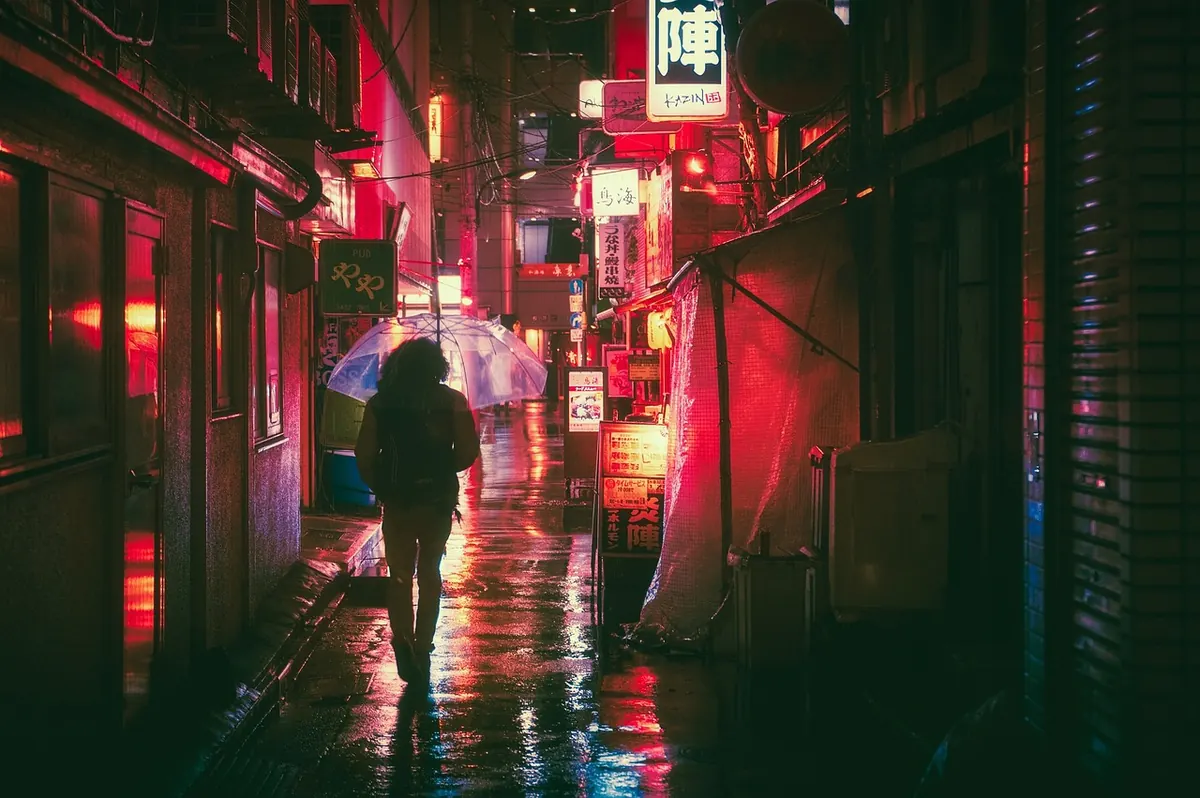
Photo: MasashiWakui / Pixabay