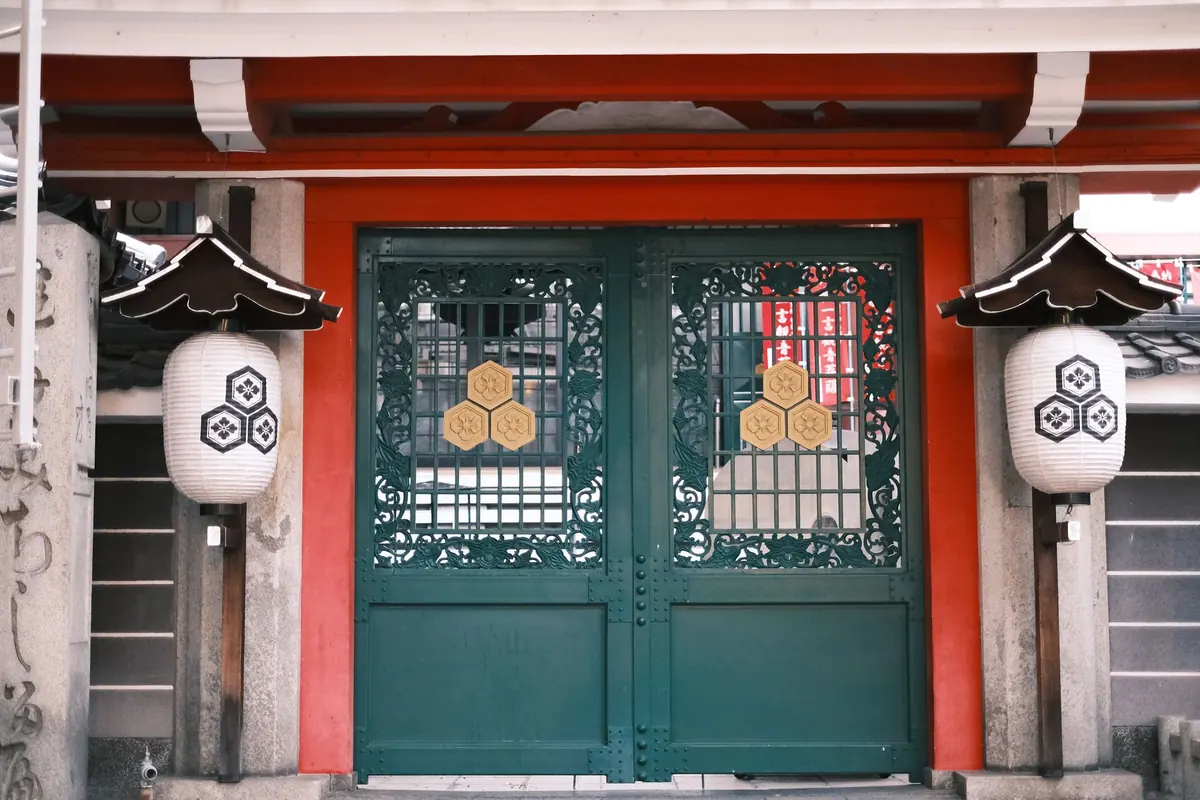
Japan is one of the easiest countries in the world to travel through, and one of the easiest to get subtly wrong. Nothing dramatic happens when you forget to take off your shoes or press your cash straight into a cashier's hand. You'll just get a small, polite pause, a gesture toward the tray, and the faint sense that you missed a cue. The good news: Japanese hosts are famously forgiving of visitors who clearly mean well, and almost every rule has a simple fix. Here are the ten missteps that trip up first-timers most often, and what to do instead.
Shoes: Find the Line Before You Step Over It
Almost every home, many restaurants, some temples and most traditional inns begin with a genkan — a lowered entry area where shoes come off. The signal is a step up into the building and, usually, a shelf or neat row of shoes already waiting.
Step out of yours, point them toward the door, and step up in your socks. Indoors, slippers are often provided. Wear them in hallways and to the bathroom, but take them off again if you step onto tatami. The toilet slipper is the classic trap: it lives just inside the bathroom door and stays there. Walking back into the hallway wearing it will earn you a gentle, slightly pained look.
The fix: pack socks without holes, and keep a small cloth bag for carrying your shoes when you visit a temple or ryokan. When in doubt, watch the person ahead of you and copy their feet.
Don't Tip, and Use the Little Tray
Japan has no tipping culture, and offering extra money can genuinely confuse people. A server may follow you out to return the note left on the table; a driver may simply refuse it. Prices are the price, and good service is treated as part of the job rather than a negotiation.
At a convenience store or small shop, you'll see a shallow tray beside the register. Place your cash or card there rather than pressing it into the cashier's hand, then take your change from the same tray. It takes a second and reads as considerate.
Two habits worth adopting: keep some cash on you, since small temples, neighborhood restaurants and rural shops still prefer yen, and if you genuinely want to thank a guide or a host family, a small gift from home means far more than a tip.
Trains: Quiet Cars, Queues and Phone Calls
Trains are where Japanese etiquette is most visible, and where visitors accidentally cause the most friction. The rules are posted everywhere, and they're easy to follow once you know them.
- Queue on the markings. Boarding points are painted on the platform. Stand behind the line and let everyone off before you get on.
- Silence your phone. A quick text is fine; a call is not. If you must talk, get off at a station.
- Keep headphones inaudible to the person beside you, and keep conversations low.
- Skip eating on commuter trains. Long-distance shinkansen and limited expresses are different — an ekiben bought at the station is part of the experience.
- Take your backpack off and hold it in front, or put it in the overhead rack. Seats are for people.
- Check for women-only cars at certain hours; they're marked on the platform and on the doors.
Two extras: priority seats near the doors are genuinely left free, and in a taxi the rear door opens and closes automatically — don't grab the handle. On escalators, stand on the left in Tokyo and the right in Osaka, and leave one side clear for people walking.
Temples and Shrines: The Short Version
At the purification fountain, take the ladle in your right hand and pour water over your left, then switch. Pour a little into your cupped left hand to rinse your mouth — never drink from the ladle — then tip the handle upright to clean it and set it back.
At a shrine, the usual pattern is: toss a coin into the offering box, ring the bell if there is one, bow twice, clap twice, bow once. At a temple, clapping usually isn't done; a quiet bow and a moment of stillness is right. Some shrines have their own customs, so follow the sign or the person ahead of you.
Also worth knowing: the middle of the approach path is traditionally left for the deity, so walk slightly to one side. Look for no-photography signs, which are common in main halls, and never climb on statues or sacred objects. Some historic districts in Kyoto have posted photography restrictions on private lanes — read the signs and respect them.
Chopsticks and the Table
This is where well-meaning visitors commit the two mistakes that genuinely unsettle people: standing chopsticks upright in a bowl of rice, and passing food from chopstick to chopstick. The first echoes a funeral offering; the second is part of a memorial rite. Avoid both, and don't point with your chopsticks or spear food with them. Rest them on the hashioki or across the edge of the dish between bites.
Smaller things: say itadakimasu before eating and gochisousama deshita afterwards, even quietly. Slurping noodles is fine. Don't pour your own drink — pour for others and let them pour for you. The hot towel is for your hands, not your face.
If you're unsure, eat a little more slowly and watch the table. Nobody expects perfection; they notice effort.
Bathing: Get Clean Before You Get In
An onsen can feel intimidating the first time, but the sequence is short. Undress completely in the changing room, take only your small towel through, sit at a low stool at the washing station, and scrub and rinse thoroughly before you go anywhere near the bath. The small towel stays out of the water — folded on your head or set at the edge. Hair goes up. No swimsuits, no phones, no photography, no loud conversation.
Tattoos are still restricted at many baths, so check ahead or look for places that advertise as tattoo-friendly. And if the heat makes you lightheaded, get out, sit down and drink water rather than pushing through. This is a place to slow down, not to prove anything.
A Two-Minute Prep List
- Put clean socks in your day bag, plus a small sack for shoes.
- Learn four phrases: sumimasen (excuse me), arigatō gozaimasu (thank you), eigo o hanasemasu ka (do you speak English) and gochisōsama deshita (thank you for the meal).
- Set your phone to silent before boarding any train, and carry a small bag for rubbish — public bins are rare.
- Keep a few thousand yen in cash alongside your transit card.
- Watch first, then act. At a doorway, a register, a shrine or a bath, look at what the people around you are doing.
If you do slip up, a quick bow and a sumimasen fixes almost everything. The etiquette here isn't a test so much as a set of signals that you're paying attention — and once you're sending those signals, people relax, doors open, and the trip gets warmer. Which, in the end, is the whole point of going.
Photo: Vinny Anugraha / Pexels